.png?w=462&h=133)
Moissanite is a lab-created gemstone made from silicon carbide (SiC). It was first discovered in 1893 by French chemist Henri Moissan in a meteorite, which gave it its name. Initially, natural moissanite was extremely rare, so the gemstone is now primarily produced synthetically.
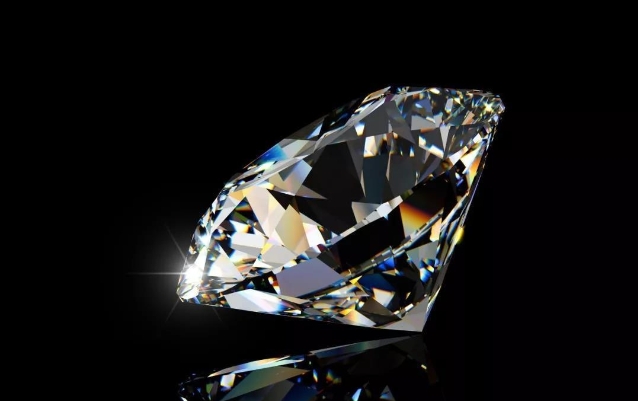
Origin
Henri Moissan found small crystals of silicon carbide in a meteorite in Arizona, which led to the first identification of this material. However, due to its scarcity in nature, scientists developed a method to produce moissanite in laboratories, allowing for a more accessible and ethical alternative to natural gemstones like diamonds.
Characteristics
-
Brilliance and Fire: Moissanite is known for its exceptional brilliance and fire, often exhibiting greater sparkle than diamonds due to its high refractive index.
-
Durability: With a hardness rating of 9.25 on the Mohs scale, moissanite is extremely durable, making it suitable for everyday wear in rings and other jewelry.
-
Color and Clarity: Moissanite is available in various colors, including colorless and near-colorless options. Its clarity can also match that of high-quality diamonds, with minimal inclusions.
-
Affordability: Compared to diamonds, moissanite is more affordable, offering a cost-effective option for those seeking beautiful and durable jewelry.
-
Ethical Consideration: Since moissanite is lab-created, it is often viewed as a more ethical choice, as it does not involve the environmental and social issues associated with mining natural gemstones.
Overall, moissanite is celebrated for its stunning visual appeal, durability, and ethical production, making it a popular choice for engagement rings and other fine jewelry pieces.